Reliable Installation for Rural Properties
Plan Septic System Installation in Merino
Rural households around Merino, Brush, and Sterling rely on septic systems due to wide lot spacing and limited access to municipal sewer lines. You need installation and repair that uses proper excavation and grade control to support long-term performance. Southwind Contracting provides trained installation practices and code-compliant layout that ensure correct sizing, slope, and soil compatibility for tanks, leach fields, and related lines.
Your septic system depends on accurate excavation depth, proper bedding material, and precise slope for drain lines. Our crew evaluates soil percolation rates, water table levels, and setback requirements before installation. We place tanks at correct elevations, connect lines with secure fittings, and backfill trenches with clean, compacted material that prevents settling.
Get a dependable septic installation or repair in Merino with a contractor who understands rural site conditions.
Why Locals Choose This Option
Your septic installation begins with a site evaluation to determine soil type, drainage capacity, and system size requirements based on household occupancy. You'll review tank placement options, leach field layout, and access points for future maintenance. We obtain necessary permits and schedule inspections to meet local health department standards.
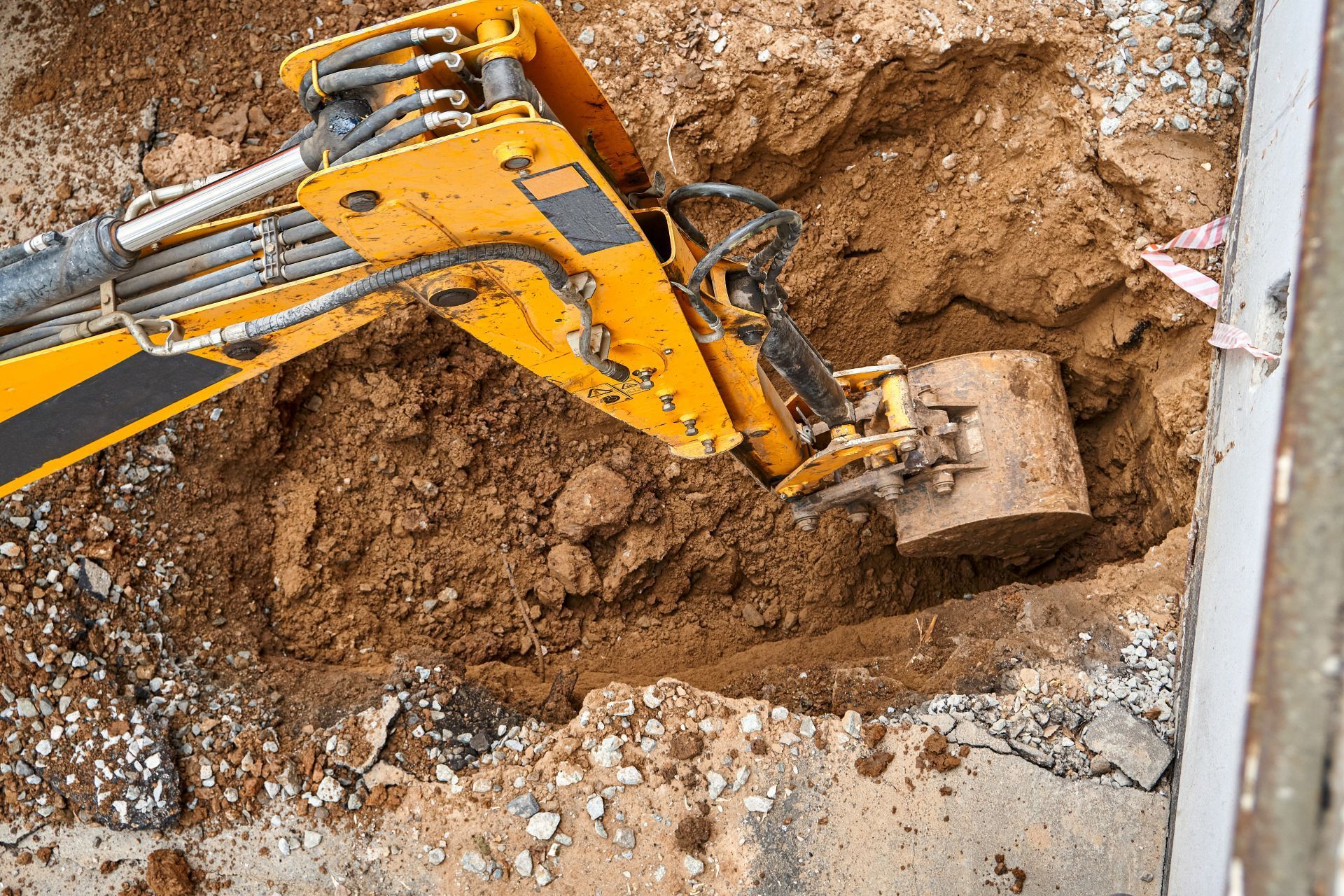
During installation, Southwind Contracting excavates trenches and tank pits to engineered specifications. We set tanks level, connect inlet and outlet lines with watertight seals, and install distribution boxes for leach field systems. Gravel bedding and filter fabric protect drain lines from soil intrusion and maintain long-term flow capacity.
After backfilling and compaction, we restore the site surface and mark tank and cleanout locations for easy access. You'll receive a system designed for reliable operation, with proper slope to prevent backups and adequate leach field area to handle wastewater volume.
How Our Process Works
Homeowners across northeastern Colorado often have questions about system lifespan, maintenance needs, and repair options. Here are answers that help you make informed decisions about septic service.
Proper installation and maintenance protect your investment and prevent costly repairs down the road. Arrange your septic installation or repair with a local contractor who delivers code-compliant work and understands the unique challenges of rural wastewater systems.